

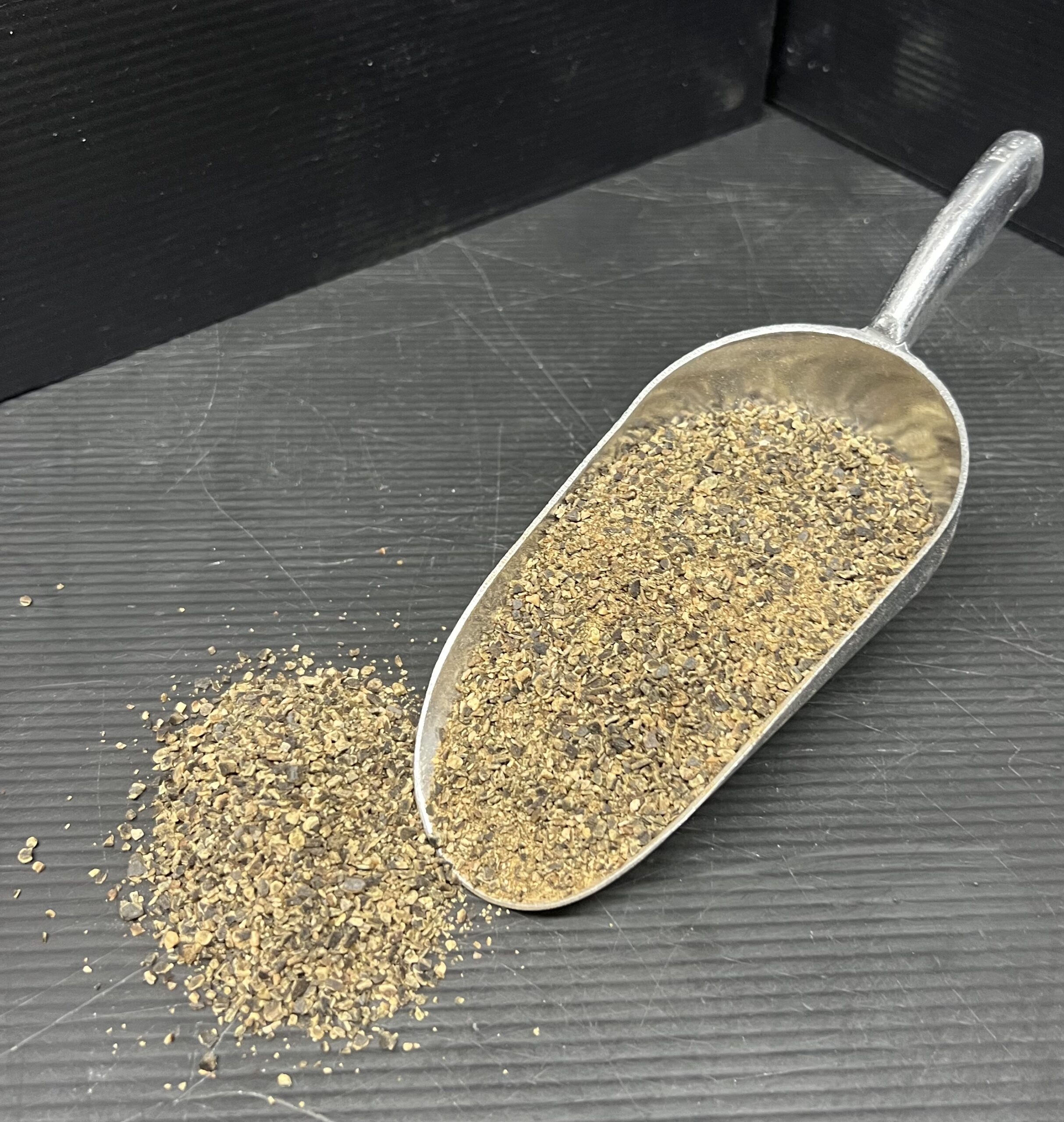
Description
Kelp Micronutrients for Bees – Nature’s Ocean-Grown Advantage
Harness the power of the ocean to strengthen your hive. Kelp, a nutrient-dense marine algae, offers a rich spectrum of naturally occurring vitamins, minerals, amino acids, and trace elements that mirror what bees would encounter in a diverse, thriving ecosystem.
When integrated into supplemental feeding, kelp micronutrients act as a gentle but effective nutritional booster—supporting colony vitality from the inside out.
Why Kelp? The Science Behind the Strength
Kelp contains over 60 trace minerals in highly bioavailable forms, including iodine, potassium, calcium, magnesium, and iron—many of which are often lacking in monoculture forage environments.
It also delivers:
- Natural plant growth hormones (auxins & cytokinins)
- Amino acids for protein synthesis
- Vitamins that support metabolic function
This makes kelp not just a supplement—but a nutritional bridge between limited forage and optimal bee health.
Key Benefits for Honey Bees
Enhanced Nutrition & Colony Strength
Kelp enriches sugar syrup or fondant with essential micronutrients, helping bees maintain balanced nutrition—especially during dearth periods or early spring buildup.
Improved Brood Development
Trace minerals and amino acids support larval growth, resulting in healthier brood patterns and stronger emerging bees.
Immune System Support
Kelp’s natural compounds help fortify bees against environmental stressors, contributing to improved resilience within the hive.
Better Foraging Performance
Well-nourished bees exhibit stronger energy levels and improved foraging efficiency, leading to increased productivity.
Supports Gut Health
Kelp works synergistically with beneficial microbes, promoting a healthier digestive system—key to nutrient absorption and overall vitality.
Natural & Sustainable
Derived from renewable ocean resources, kelp is an eco-friendly alternative to synthetic additives—aligning with sustainable beekeeping practices.
Reviews
There are no reviews yet.